
Observatory of Spanish in Europe
If you could speak three languages immediately, which would you choose?
Take part in our short survey on language and multilingualism. We want to find out which languages people consider important, how different languages are valued, and how multilingualism is perceived.
Observatory of Spanish in Europe | OSE
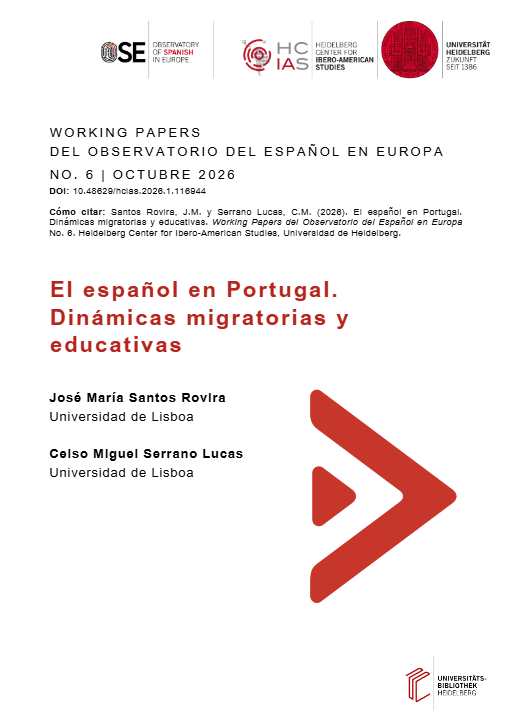
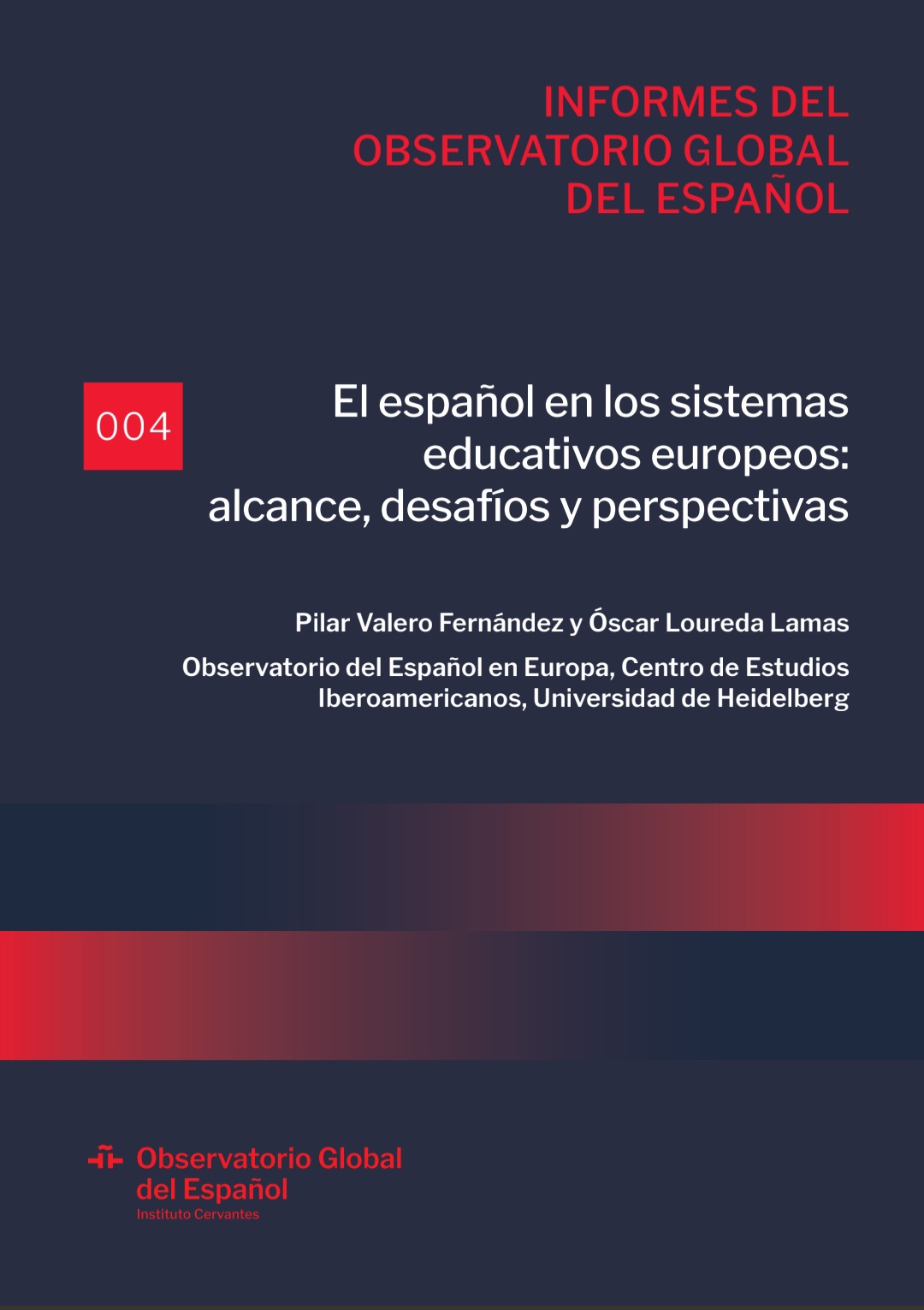
The Observatory of Spanish in Europe is a research center founded in 2023 at Heidelberg Center for Ibero-American Studies (HCIAS), Heidelberg University. Its main goal is to offer data that can help tackle the emerging trends related to Spanish and its speakers in Europe.
News
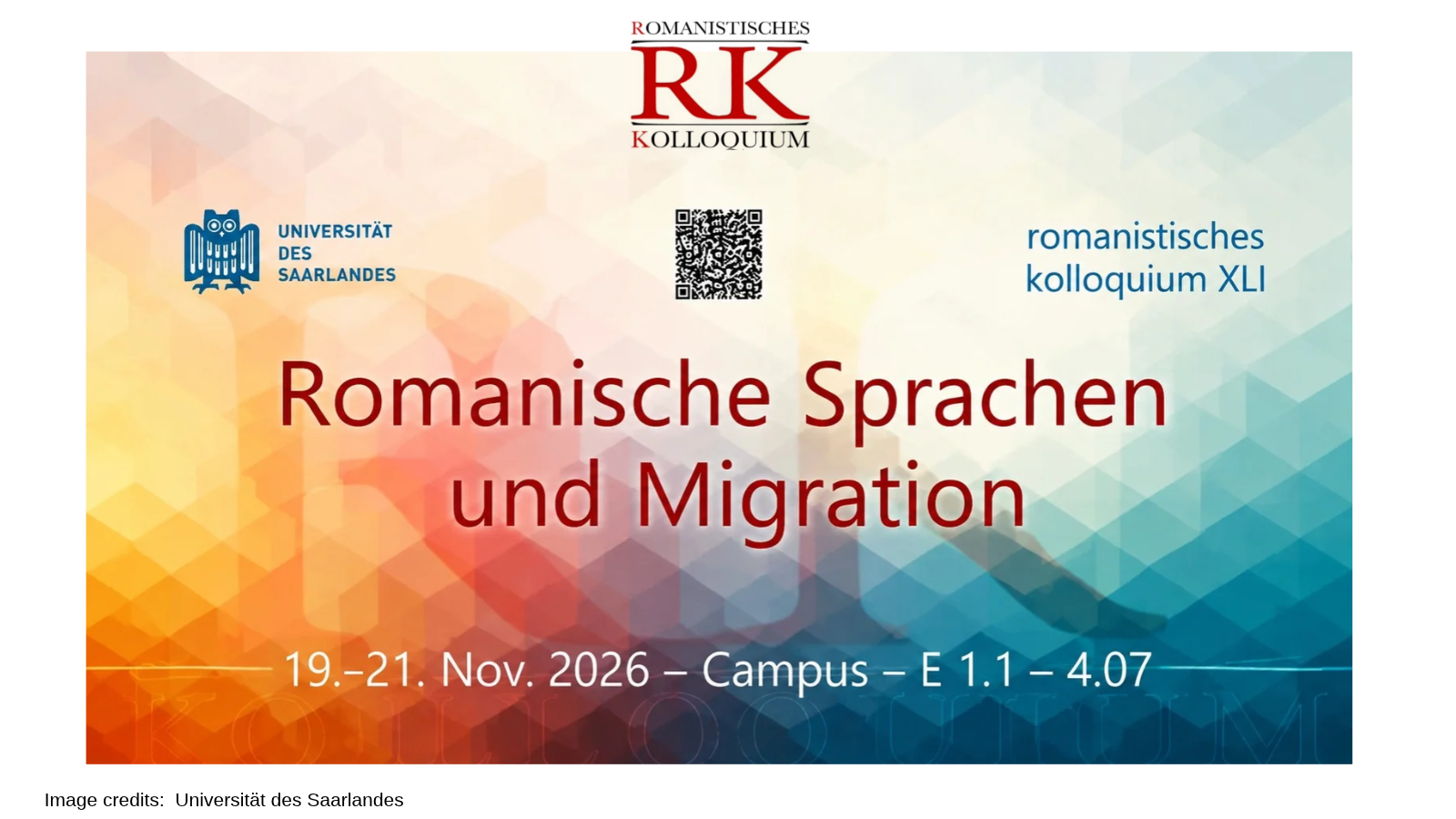
Prof. Dr. Óscar Loureda Lamas and Dr. Charlotte Blattner take part in the Romanistisches Kolloquium
On November 20, 2026, Prof. Dr. Óscar Loureda Lamas and Dr. Charlotte Blattner participated in the Romanistisches Kolloquium XLI, organized and hosted by Universität des Saarlandes, which focused on the theme “Romance Languages and Migration”.
Prof. Dr. Óscar Loureda presented the talk “Migración hispanohablante en Europa y transmisión intergeneracional del español entre los hablantes de herencia”, exploring the development of Spanish-speaking migration in Europe and the emergence of new generations of Spanish heritage speakers.
Dr. Charlotte Blattner presented the talk “Familiäre Sprachpraxis als Grundstein: Zur intergenerationalen Weitergabe des Spanischen im deutschen Migrationskontext”, examining the role of parental attitudes and family language practices in the intergenerational transmission of Spanish in Germany.
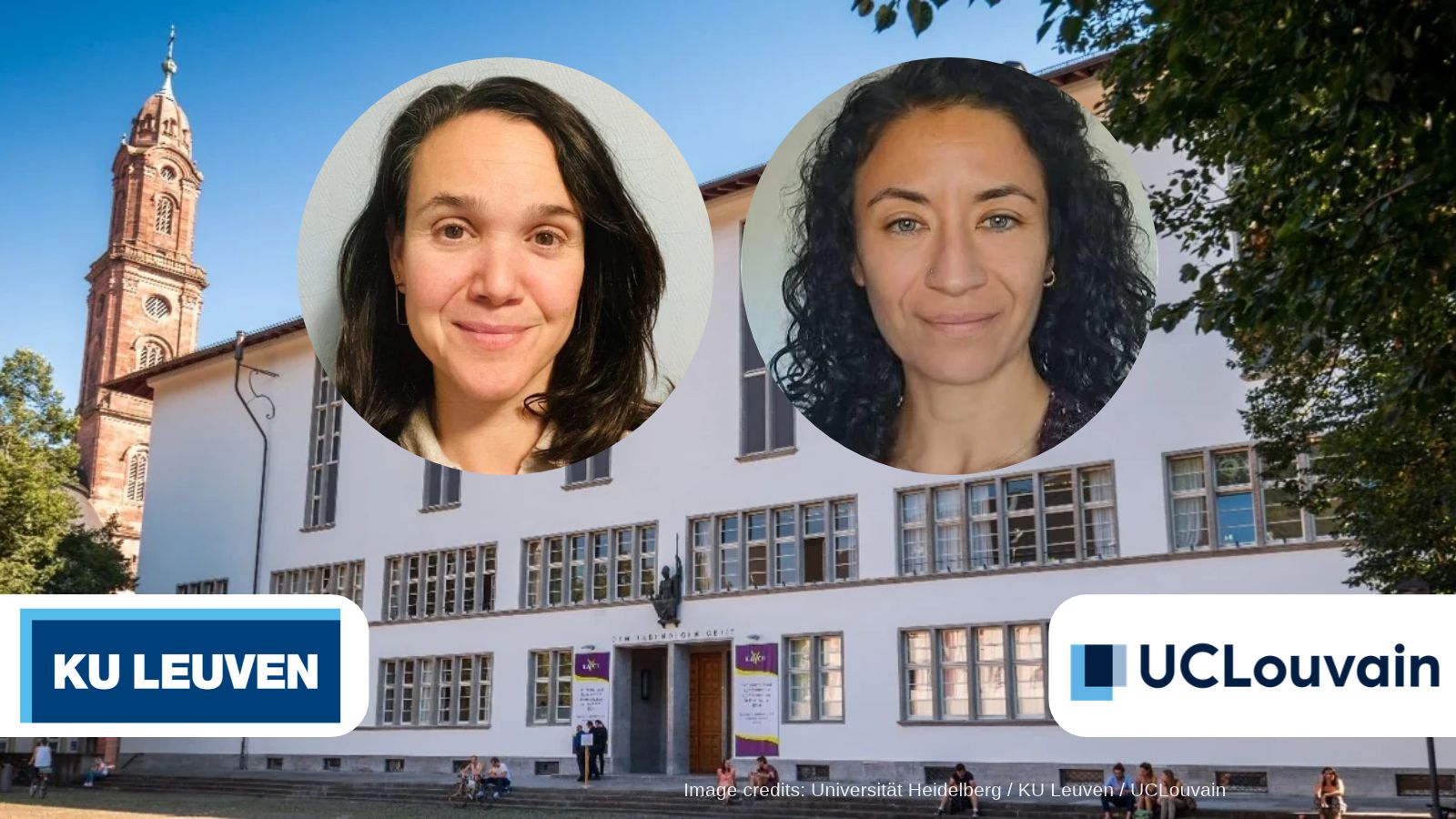
Visiting researchers from Belgium to take part in HCIAS colloquium on Spanish in Belgium
On 17 November 2026, Dr. Eva González Melón (KU Leuven, Belgium) and Prof. Dr. Andrea Pizarro Pedraza (UC Louvain, Belgium) will undertake a research stay at the Observatory of Spanish in Europe (OSE), which will include their participation in the Winter Semester 2026/27 colloquium of the Heidelberg Center for Ibero-American Studies (HCIAS).
As part of the colloquium, they will deliver a presentation entitled “El español en Bélgica: características de una comunidad en crecimiento. Migración, educación y hablantes de herencia”, exploring the demolinguistic and sociolinguistic landscape of the Spanish-speaking community in Belgium. Their presentation will examine multilingual repertoires, language attitudes, language use, and the factors influencing the maintenance and transmission of Spanish.
The presentation will be delivered in Spanish at 14:00 in Hörsaal 04a, Neue Universität building (Universitätsplatz 1, 69117 Heidelberg).
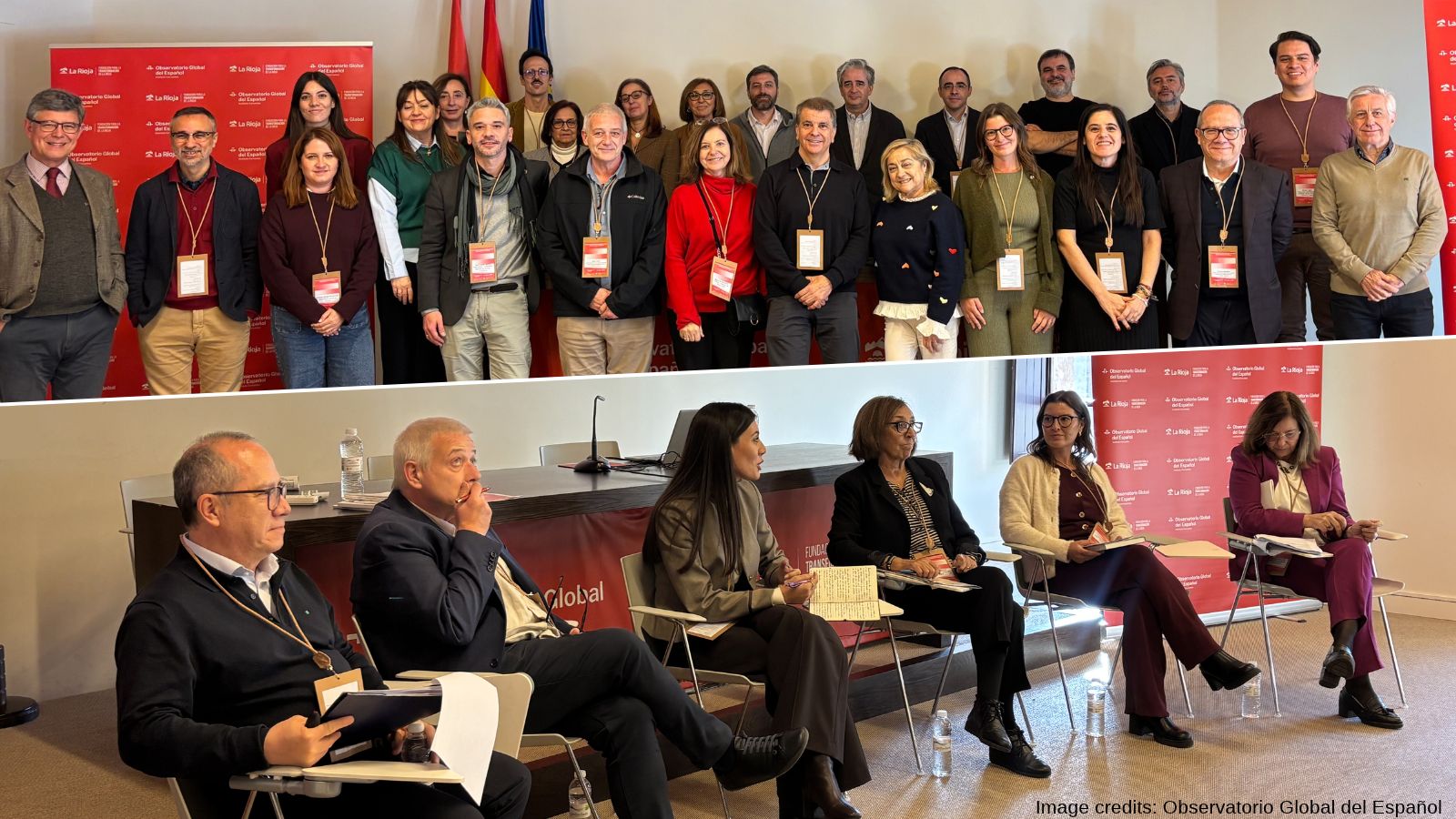
Dr Charlotte Blattner participates in the II Conferencia Internacional de Observatorios de la Lengua, la Cultura y la Comunicación
On 5-6 November 2026, Dr Charlotte Blattner participated in the II Conferencia Internacional de Observatorios de la Lengua, la Cultura y la Comunicación, held at CILENGUA in San Millán de la Cogolla, La Rioja, Spain.
Organised by the Observatorio Global del Español (OGE) and the Fundación para la Transformación de La Rioja, the conference brought together representatives of international language observatories to share their areas of work and geographical perspectives.
Dr Charlotte Blattner took part in the roundtable “Presentación de observatorios. Áreas geográficas”, alongside representatives of observatories focusing on Spanish in Latin America and the Caribbean, the United States, Eastern contexts and Africa.
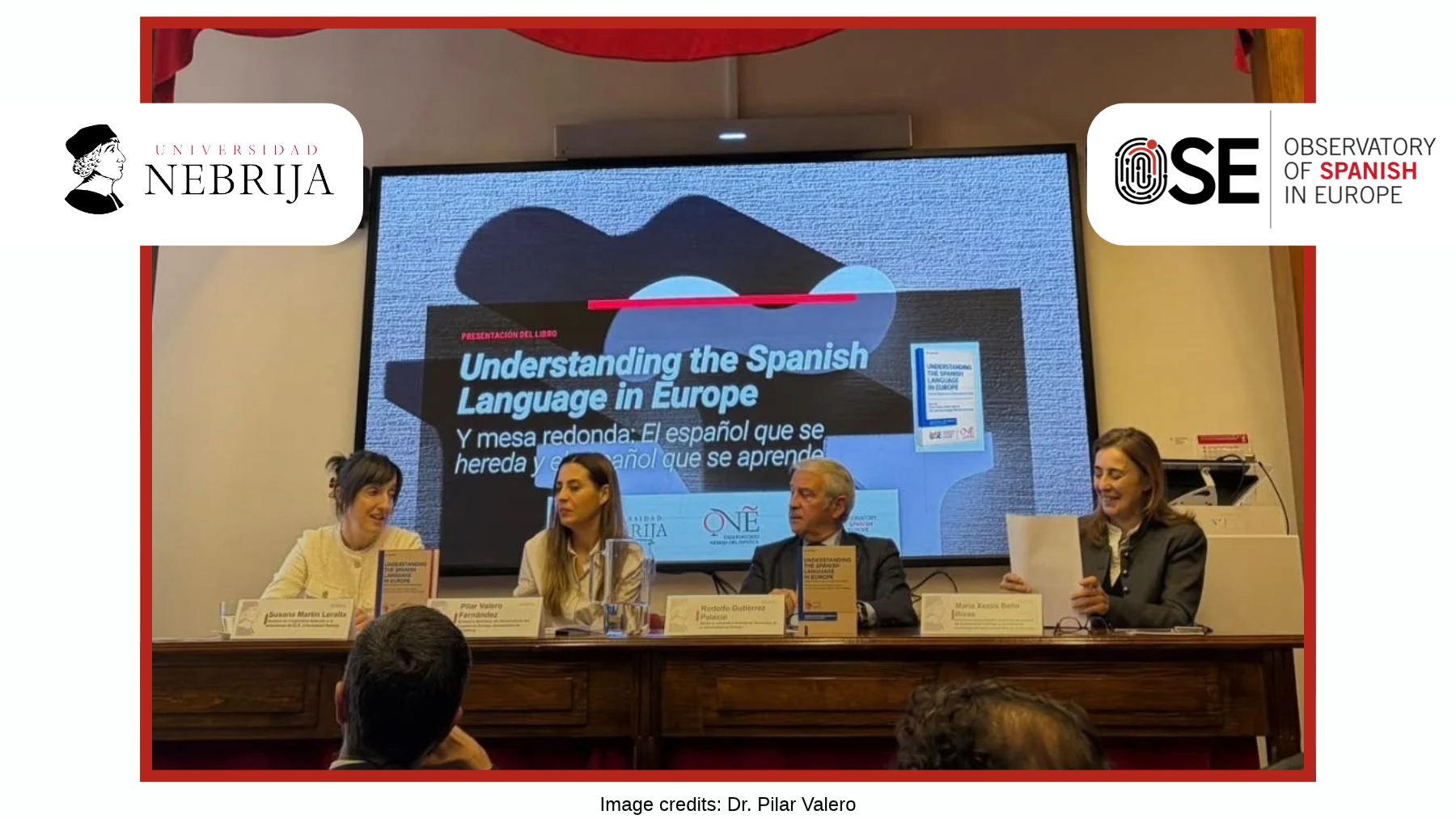
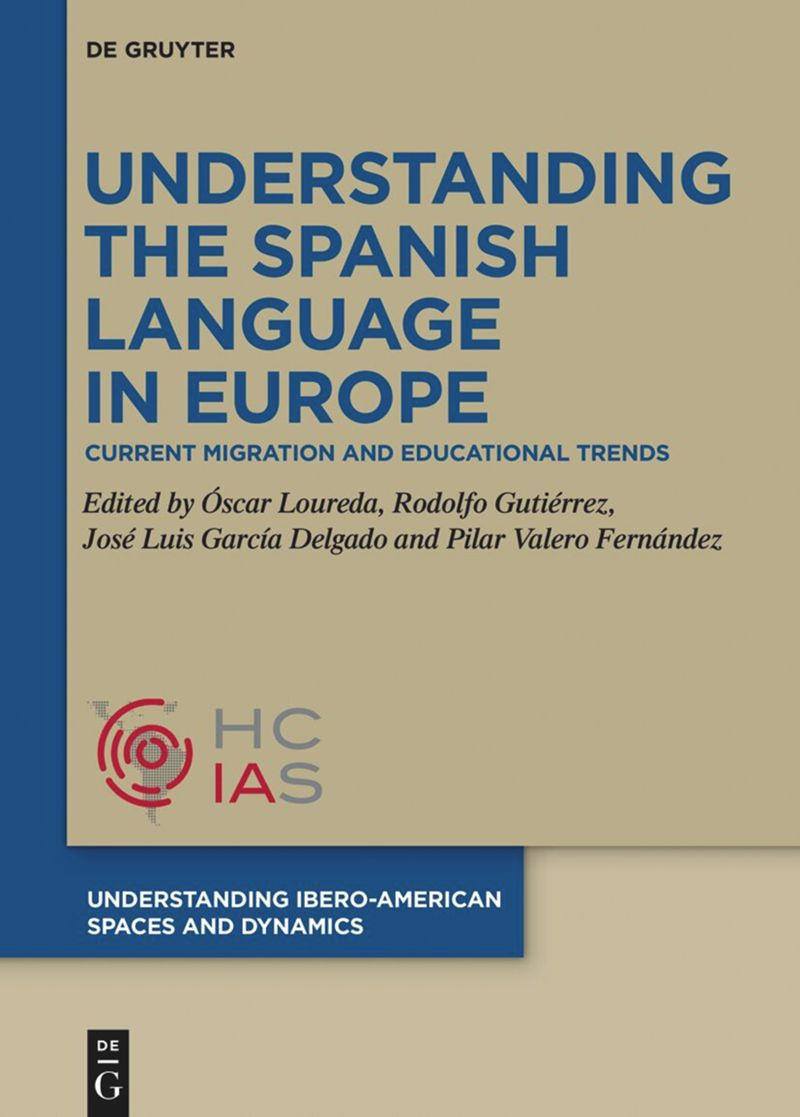
Presentation of the book Understanding the Spanish Language in Europe: Current Migration and Educational Trends
On 27 October 2026, the book Understanding the Spanish Language in Europe: Current Migration and Educational Trends was presented at Universidad Nebrija in Madrid.
The presentation featured Prof. Dr. Rodolfo Gutiérrez, Prof. Dr. José Luis García Delgado, and Dr. Pilar Valero Fernández. It also included a roundtable discussion entitled “El español que se hereda y el español que se aprende”, moderated by Dr. María Xesús Bello Rivas.
The full book is available here.
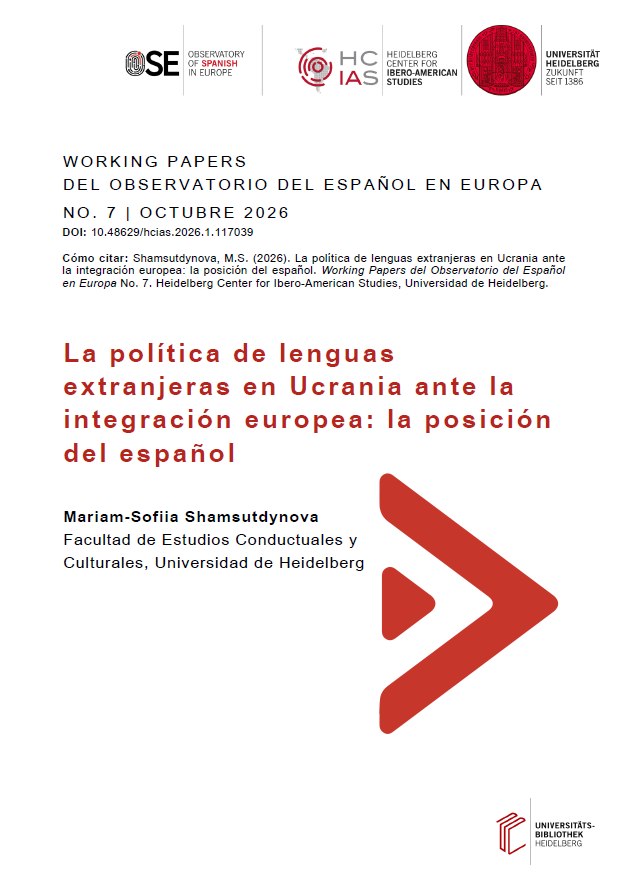
Recent publications
In cooperation with:


Supported by:

Awarded the first Prize for International Hispanism
With support from: